
 Add as preferred on Google
The Best LLMs in 2026: A Comparison and What to Expect in 2027Read More
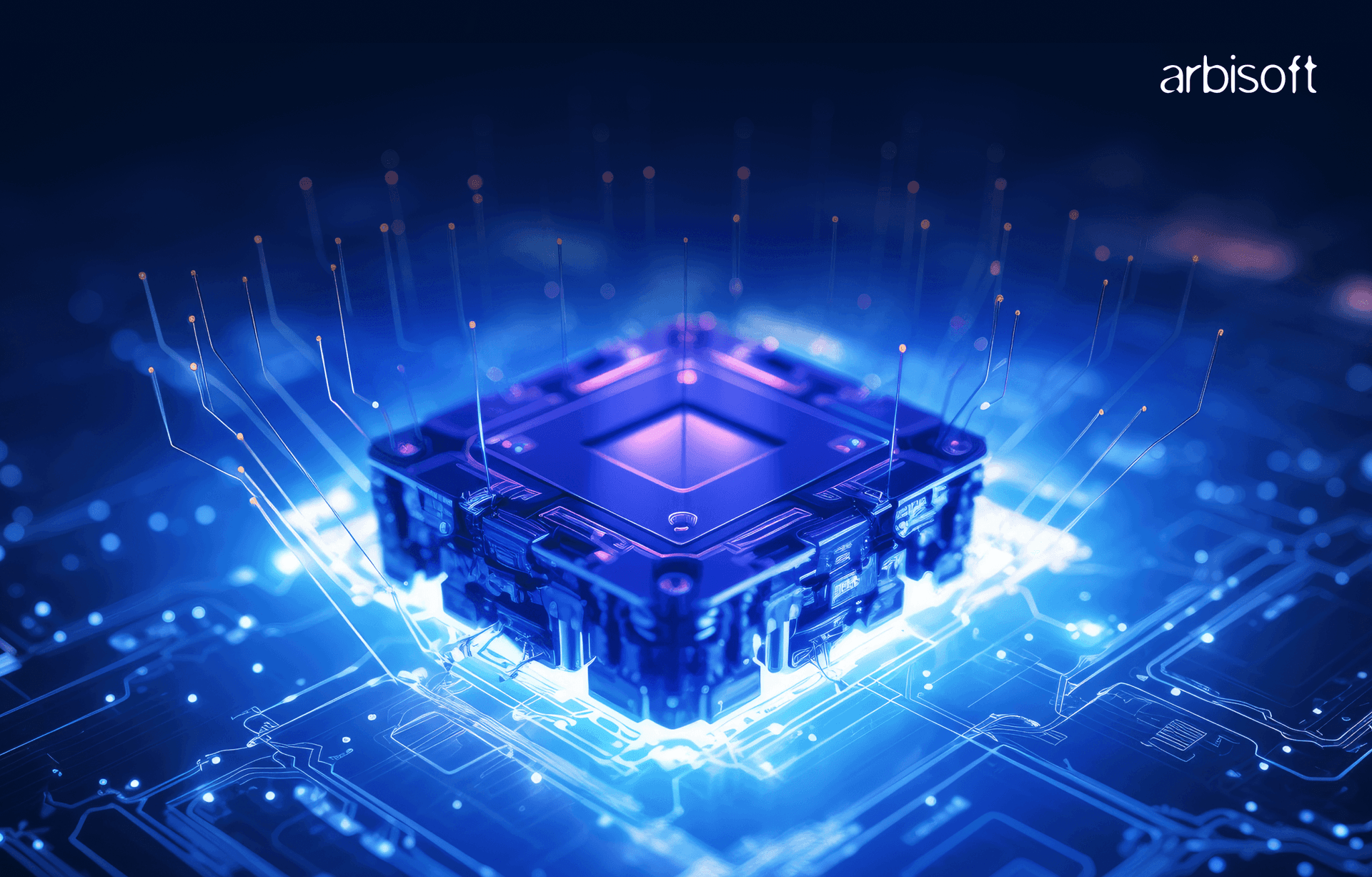
If you’d told me back in 2004, when I was knee-deep in Java code and Python scripts, that “quantum computing” would become a household phrase, I’d have laughed. Back then, it was the kind of thing you’d hear about in a late-night science documentary, not in a Marvel movie or a meme your cousin sends you.
But here we are. As someone who’s spent years in software engineering and AI/ML, I’ve watched quantum concepts leap from whiteboards and research papers straight into the heart of pop culture. This isn’t just a tech trend; it’s a cultural shift, and honestly, it’s been a wild ride to witness.
It’s wild to think about how quickly quantum computing has gone from obscure to everywhere. I remember the first time I saw “quantum” used in a TV commercial for a car, yes, a car!, and realized the word had officially jumped the shark. But that’s the thing about pop culture: once an idea catches on, it spreads in ways nobody can predict. Quantum computing is now shorthand for “the future,” “the unknown,” or just “something really smart.”
I’ve seen quantum referenced in everything from late-night comedy sketches to cereal box puzzles. It’s become a kind of cultural currency, a way to signal that something is cutting-edge, even if the details are fuzzy. And as someone who’s spent years explaining the difference between a bit and a qubit at family gatherings, I can tell you: the hype is real, but so is the curiosity.
One of the most surprising places I’ve seen quantum computing pop up is in advertising. Marketers love to borrow the language of science to make products sound advanced, and “quantum” is the new favorite buzzword. I’ve seen everything from “quantum laundry detergent” to “quantum smartphones.”
Of course, most of these products have nothing to do with actual quantum mechanics. But the word itself has power; it suggests something mysterious, powerful, and next-generation. I once joked with a friend that if I ever started a coffee shop, I’d call it “Quantum Brew” and serve drinks in superposition (half-caf, half-decaf, anyone?).
This trend says a lot about how deeply quantum ideas have penetrated the public imagination. When a concept makes its way into advertising, you know it’s become part of the cultural fabric.
Social media has turbocharged the spread of quantum concepts. I’ve lost count of how many times I’ve seen a quantum meme go viral, or a Twitter thread break down the latest quantum breakthrough (sometimes accurately, sometimes not). The speed at which information, and misinformation, spreads is both exciting and a little scary.
I remember one particular viral tweet claiming that quantum computers would “end privacy forever.” It racked up thousands of retweets before anyone pointed out that we’re still years away from that kind of power. But that’s the nature of social media: nuance gets lost, but excitement spreads like wildfire.
On the flip side, I’ve also seen social media used for good, scientists and engineers sharing real insights, educators using TikTok to explain quantum superposition with props from their kitchen, and even live Q&A sessions with quantum researchers. The accessibility of these platforms means anyone can join the conversation, and that’s a huge win for public understanding.
As quantum computing has become more visible in pop culture, it’s also started to show up in classrooms and public outreach programs. I’ve volunteered at local schools, and it’s amazing how many students have heard of qubits, even if they’re a little fuzzy on the details. Teachers are using pop culture references to make quantum concepts less intimidating, and museums are hosting interactive exhibits on quantum physics.
I once helped run a coding workshop where we used scenes from Avengers: Endgame to spark a discussion about what quantum computers can and can’t do. The students were full of questions, some practical, some straight out of science fiction. It was a reminder that pop culture isn’t just entertainment; it’s a gateway to deeper learning.
It’s easy to focus on Hollywood and Western pop culture, but quantum computing is making waves globally. I’ve seen Japanese anime series weave quantum ideas into their plots, and Indian science fiction novels explore the social impact of quantum tech. Even K-pop bands have referenced quantum mechanics in their lyrics and music videos.
This global reach means that quantum concepts are being interpreted and reimagined in countless ways. It’s fascinating to see how different cultures use quantum as a metaphor for uncertainty, possibility, or transformation. The conversation is bigger than any one country or industry, it’s a worldwide phenomenon.
With all the hype, it’s easy to lose sight of what quantum computers are capable of. I’ve had more than a few conversations where I’ve had to gently explain that, no, quantum computers won’t let you time travel or read minds (at least, not yet!).
Here are a few of the most common myths I’ve encountered:
I try to use these moments as teaching opportunities. The more we can separate fact from fiction, the more meaningful the conversation becomes.
One of the most interesting side effects of quantum’s rise in pop culture is its impact on research and funding. When quantum computing is in the headlines, it’s easier for researchers to make the case for new grants or public investment. I’ve seen universities launch new quantum programs after a big movie or TV show brings the topic into the spotlight.
There’s a feedback loop at work: pop culture drives interest, which drives funding, which leads to new breakthroughs, which then feed back into pop culture. It’s not always a straight line, but the connection is real. As someone who’s worked on grant proposals, I can tell you that having a “hot” topic helps open doors.
It’s easy to think of quantum computing as something abstract or far-off, but its influence is already showing up in everyday life. I’ve seen quantum-inspired puzzles in newspapers, quantum jokes in stand-up comedy, and even quantum-themed escape rooms. These little moments add up; they make quantum feel less like a distant science and more like something anyone can engage with.
I once attended a trivia night where one of the questions was about Schrödinger’s cat. Half the room groaned, but the other half started debating the finer points of quantum superposition. It was a small thing, but it showed me just how far these ideas have spread.
If you work in tech, you’ve probably been asked about quantum computing at least once. My advice? Embrace the curiosity, but don’t be afraid to push back on the hype. Use pop culture references as a starting point, but steer the conversation toward what’s real and what’s possible.
Here are a few tips I’ve picked up over the years:
Above all, keep the conversation open and fun. Quantum computing is full of surprises, and the more we talk about it, the more we all learn.
Looking ahead, I believe quantum computing will continue to inspire new ways of storytelling. Imagine interactive movies that shift with your choices, powered by quantum-enhanced AI. Or video games where the rules change in real time, mirroring the uncertainty of quantum mechanics. Even traditional novels and comics are beginning to explore quantum-inspired plots and structures.
As a software engineer, I’m excited to see how these ideas shape the next generation of media. The line between science and story is becoming blurrier, and that’s a good thing. It means more people are exploring the possibilities and maybe even imagining the next big breakthrough.
At the end of the day, quantum computing in pop culture isn’t just about entertainment. It’s about how we imagine the future, how we talk about uncertainty, and how we connect science to everyday life. I’ve learned as much from a good sci-fi novel or a funny meme as I have from research papers. The conversation is bigger, messier, and far more interesting than any one person or field.
So whether you’re a developer, a student, or just someone who loves a good story, there’s a place for you in the quantum conversation. Keep asking questions, keep sharing ideas, and don’t be afraid to get a little weird; that’s where the magic happens.
If you have a favorite quantum pop culture moment, or you’re curious about what’s real and what’s hype, let’s keep the conversation going. The quantum future is on its way, and it’s already more fun and fascinating than I ever imagined.
I’ve noticed that modern media, social platforms, streaming, podcasts, and blogs have become the main way new ideas spread. Quantum computing, which used to be the stuff of academic journals, now pops up in Twitter threads, YouTube explainers, and even the odd TikTok. I remember seeing a quantum meme go viral before I’d even finished my morning coffee. The speed at which these ideas move is honestly mind-boggling. Sometimes, I’ll see a technical paper get picked up by a news site, and by lunchtime, it’s already been turned into a meme or a clickbait headline.
The news cycle loves a bit of quantum drama: “Quantum Computer Destroys Encryption!” or “The End of Privacy as We Know It!” I’ll admit, I get a kick out of these headlines, but as someone who’s spent years in tech, I also cringe a little. It’s a strange feeling, watching something you know is nuanced get flattened into a soundbite. But hey, if it gets people talking and curious, maybe that’s not such a bad thing.
There’s something about quantum computing, superposition, entanglement, and uncertainty that just feels perfect for storytelling. I’ve seen “quantum” used as a magic word to explain everything from time travel to superintelligence. The science is often stretched (okay, most of the time), but I can’t blame writers for using it. It’s fun, it’s strange, and it makes for great plot twists. I’ve even caught myself daydreaming about what I’d do with a quantum computer if I had one on my desk (spoiler: probably try to optimize my coffee schedule).
Hollywood can’t resist quantum tech. I remember watching Avengers: Endgame and grinning when they used the “quantum realm” as the key to time travel. Sure, it’s not how quantum mechanics works, but it got people talking about qubits at the dinner table. Shows like Devs and Travelers go even further, using quantum computers to explore fate, free will, and alternate realities. The science is shaky at times, but I love seeing these ideas become part of our shared language, even if I have to bite my tongue when the details get fuzzy.
| Movie/Show | Quantum Concept | Cultural Impact |
|---|---|---|
| Transcendence | Quantum consciousness | Sparked debates about AI and ethics |
| Avengers: Endgame | Time travel via quantum | Revived interest in quantum physics among younger audiences |
| Devs | Quantum simulation of the universe | Drew attention to quantum computing’s potential |
| Travelers | Quantum time travel | Introduced quantum ideas to mainstream viewers |
I’ve lost count of how many times I’ve seen “quantum” used as a quick fix for the unexplainable. It’s become a kind of magic word in pop culture, and honestly, I love seeing how creative writers get with it, even if the science doesn’t always hold up.
It’s not just movies and TV. I’ve picked up novels like Quantum Night and The Quantum Thief that dig into the ethics and social impact of quantum tech. And don’t get me started on games, Quantum Break blew my mind with its time-bending mechanics. I remember pausing mid-game and thinking, “If real quantum computers ever get this powerful, we’re in for a wild ride.”
Even music and art aren’t immune. I stumbled across a band called The Quantum Enigma; their lyrics are full of quantum references, and their album art is a trip. Digital artists like Anna Ridler are making “quantum flowers” out of real quantum data. I love seeing these ideas pop up in places I’d never expect. It makes quantum feel less like a distant science and more like something anyone can play with.
But here’s the thing: all this attention is a double-edged sword. I’ve had friends (and even my mom) ask if quantum computers are going to break all passwords overnight, or if we’ll have quantum-powered AI predicting the future. It’s fun to talk about, but I always try to sneak in a reality check. The hype is real, but so is the curiosity, and that’s what keeps me excited about where this is all going.
Pop culture and modern media are like a feedback loop. Social platforms, streaming, and digital news are how trends go global in hours. I’ve seen quantum jokes pop up in group chats, on Reddit, and even in the odd stand-up routine. The more quantum shows up in pop culture, the more it shapes how people see the tech, and sometimes, it even nudges research and funding in new directions. It’s a strange, fascinating cycle.
It’s honestly amazing how quickly these ideas spread once they hit the mainstream. Sometimes I wonder if quantum memes are evolving faster than the tech itself.
It’s not just scientists and engineers who care about quantum computing. The public, media creators, and even meme-makers all play a role in shaping how quantum tech is understood and discussed. I’ve seen high schoolers riff on quantum jokes, and artists use quantum themes in their work. The more quantum ideas show up in pop culture, the more likely they are to inspire the next generation of technologists, artists, and storytellers. Sometimes, I think the real “quantum leap” is how quickly these ideas move from niche to mainstream.
Looking ahead, I can only guess how quantum will keep showing up in new ways. Maybe we’ll have movies that change their story in real time, powered by quantum AI. Or artists using quantum computers to make art that’s truly unpredictable. Maybe even social networks that are safer and more personal than anything we’ve seen before. Of course, there are still big questions about privacy, ethics, and who gets to use the tech, but those are conversations worth having.
For me, I just hope quantum computing helps make the world more creative, connected, and interesting, not only more efficient or profitable. That’s the future I’d like to see.
Quantum computing has gone from a niche idea to a pop culture trend, and I’ve watched it unfold as both a techie and a fan. Its story in modern media is full of surprises, sometimes accurate, sometimes wildly imaginative, but always sparking curiosity. I love seeing how these ideas inspire new conversations and creative projects. We’re still at the very start of this journey, and honestly, I can’t wait to see the strange, fun, and exciting directions quantum will take us next.
If you have a favorite quantum pop culture moment, or you’re just curious about what’s real and what’s hype, let’s keep the conversation going. The quantum future is coming, and it’s already more fun and fascinating than I ever expected.
...Loading Related Blogs
Trusted by top platforms for our transformative solutions and exceptional results: