
 Add as preferred on Google
How to Modernize a Legacy Learning Platform Without a Full RewriteRead More
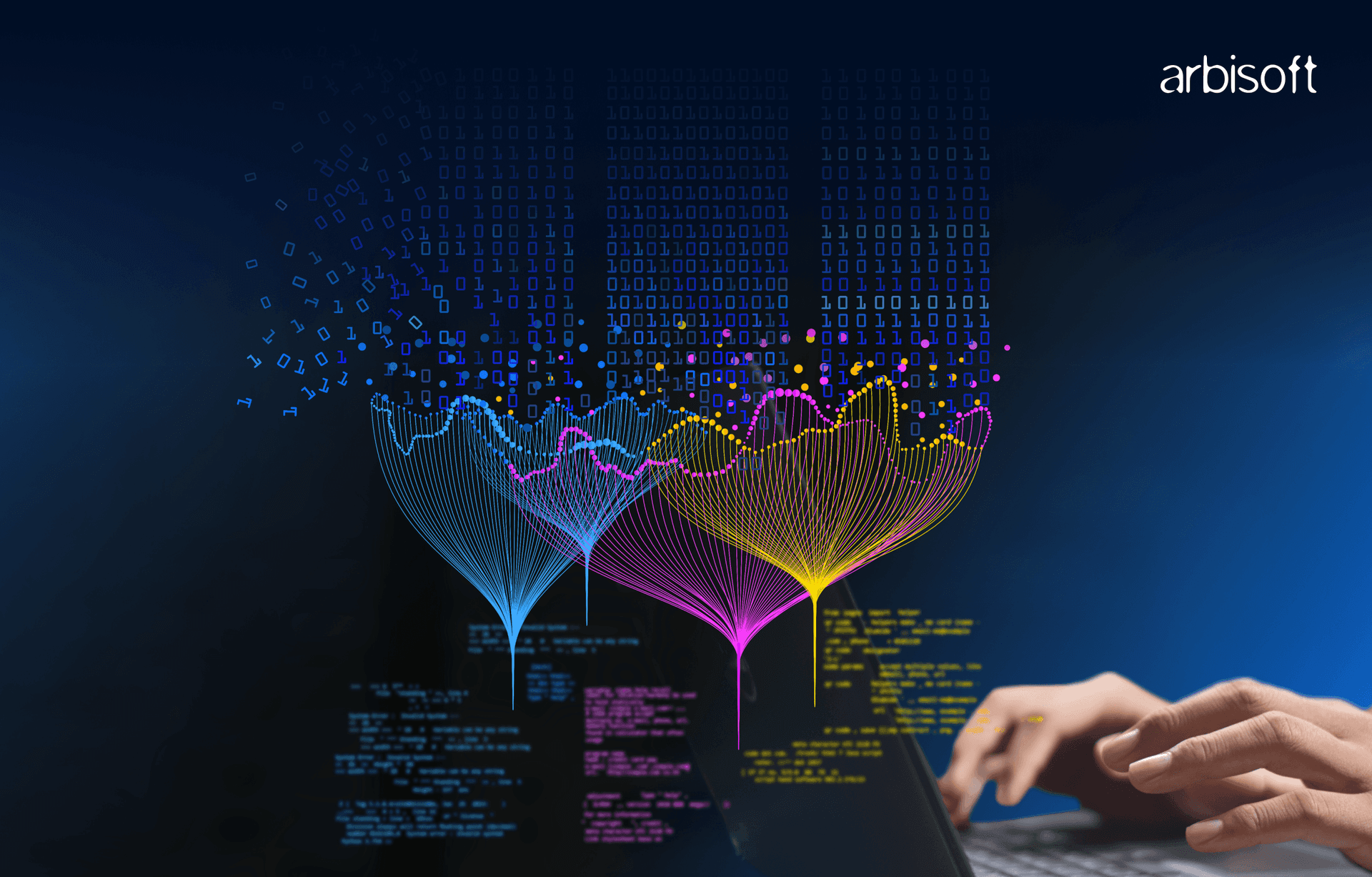
In 2025, the digital universe is expected to reach a staggering 181 zettabytes of data. That's 181 followed by 21 zeros! To put it in perspective, if each byte were a brick, we'd have enough to build a wall around the Earth countless times over.
But here’s the problem - most of it is noise.
Over the next few years up to 2028, global data creation is projected to grow to more than 394 zettabytes. - Statista
But here's the catch - having all this data is like owning a vast library where the books are in no particular order. It's overwhelming and not very useful. This is where Artificial Intelligence (AI) comes in handy. AI doesn't just sift through data and align it - AI transforms that data into smart data—meaningful insights that guide decisions.
Companies like Databricks are leading the charge. They've developed tools that help businesses use AI to analyze vast amounts of information efficiently.
Data is everywhere, but not all of it is useful. The key to unlocking its true power lies in transforming big data into smart data—refined, structured, and insightful. Let’s break them down.
Data has become more complex than ever before. We're overloaded with terabytes and petabytes of information every second.
Big data refers to the massive amounts of raw information generated every second—think social media posts, online transactions, sensor readings, and more. But sheer volume isn't enough. Smart data is what happens when we refine, analyze, and structure big data to make it meaningful and actionable.
Here’s how they differ:
Big Data | Smart Data |
| Huge, unstructured, and often messy | Clean, structured, and refined |
| Focuses on collecting as much data as possible | Focuses on extracting relevant insights |
| Hard to process and interpret | Easy to analyze and use for decision-making |
| Stored in massive databases but not always useful | Transformed into meaningful reports, trends, and predictions |
| Requires advanced tools to extract value | Already optimized for business intelligence and decision-making |
AI is a big part of turning big data into smart data:
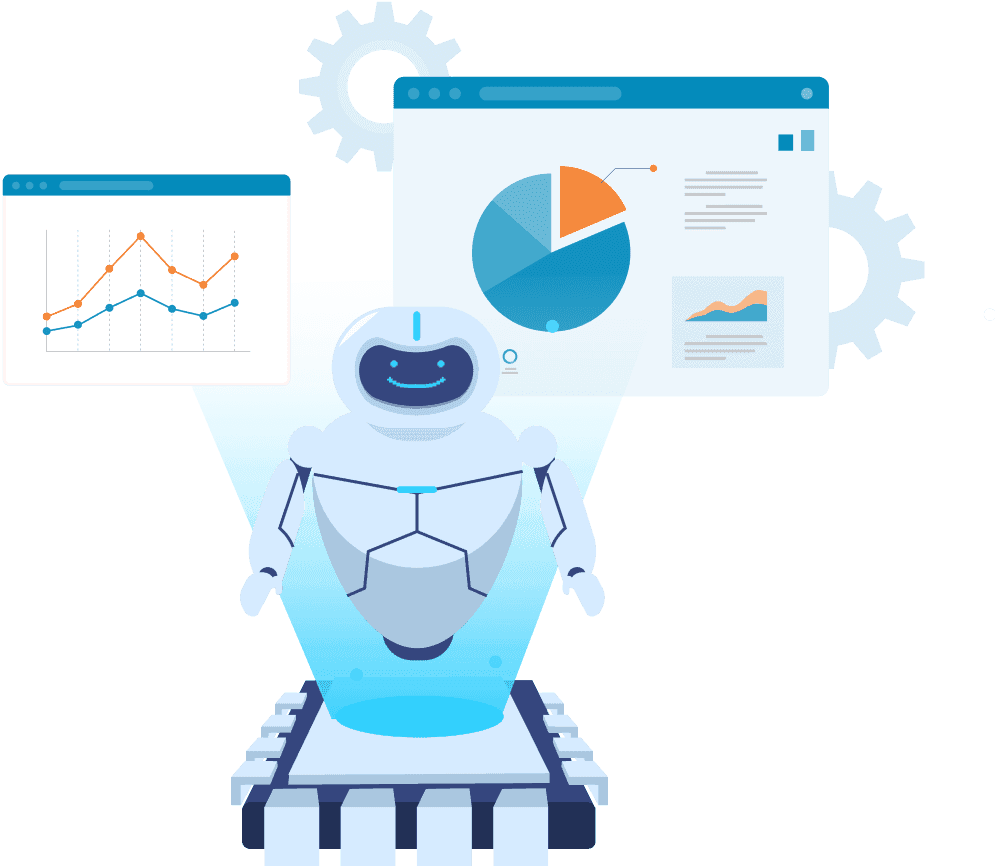

Turning raw data into useful insights is important. The process of moving from big data to smart data includes several steps. AI helps improve each of these steps.
Messy data can be expensive. Bad data can cost businesses up to 25% of their yearly income. Now, AI tools can clean data automatically. They fix errors and remove duplicates to make sure the data is accurate.
The use of these tools is growing fast.
The data cleaning tools market is expected to grow from 3.09 billion in 2024 to 3.62 billion in 2025. This is a growth rate of 17.3% each year. - (TBRC)
Big companies like Google are leading in this area. Google’s Data Clean Rooms help businesses handle sensitive information safely. They keep data private while making sure it’s clean and accurate.
Having clean data is just the beginning. Integrating it from various sources is the next challenge. AI facilitates seamless data integration, enabling different datasets to work together in sync. This approach, known as data fabric, is gaining traction. Gartner defines data fabric as an emerging data management design that supports flexible and augmented data integration across platforms.
In 2025, data fabric deployments will quadruple efficiency in data utilization while cutting human-driven data management tasks in half. - Gartner
Once data is clean and integrated, AI takes analytics to the next level. AI-driven tools analyze data to uncover patterns and trends, providing predictive insights that help businesses anticipate future scenarios.
In 2025, 95% of decisions that currently use data will be at least partially automated. - Gartner
Retailers are already benefiting from AI-powered demand forecasting, reducing inventory costs by up to 30% and enhancing supply chain efficiency. This proactive approach helps businesses to stay ahead in a competitive market.
Here are some real-world examples of how companies are using AI to turn big data into smart data:
Netflix uses AI to analyze huge amounts of data from its users. It looks at what you watch, how long you watch, and even when you pause or rewind.
With this data, Netflix’s AI predicts what you might like to watch next.
This keeps users engaged and helps Netflix recommend the right shows to the right people. It’s a great example of turning raw data (what you watch) into smart data (personalized recommendations).
Amazon collects data from millions of customers every day. They use AI to analyze this data and predict what products will sell well. This helps them manage their inventory better, so they don’t run out of popular items.
AI also powers its recommendation system. When you see “Customers who bought this also bought,” that’s AI at work. It turns shopping data into smart insights, making your experience smoother and helping Amazon sell more.

Uber also uses AI to analyze data from millions of rides. It looks at things like traffic patterns, ride demand, and driver locations.
With this data, AI predicts where and when users will need rides the most. It also helps Uber set dynamic pricing (like surge pricing) to balance supply and demand. This turns raw ride data into smart decisions that keep drivers and riders happy.
Spotify uses AI to understand what you like to listen to. It looks at the songs you play, skip, or replay. Then, it creates personalized playlists like “Discover Weekly” just for you. This turns your listening data into smart recommendations, making your music experience more enjoyable.

Numbers alone don’t tell stories—visuals do. But in a world drowning in data, static charts, and spreadsheets just don’t cut it anymore. AI is improving the way we see and understand data, making insights more interactive, accessible, and actionable.
Manually creating reports is time-consuming and inefficient. AI-powered tools like Power BI’s Quick Insights and Tableau AI now analyze massive datasets in seconds, automatically generating meaningful charts and trends.
Businesses using raging AI-powered dashboards cut their data analysis time by 60%, leading to faster decision-making. - Microsoft
A leading retail chain uses AI-driven dashboards to track sales trends in real time. By spotting regional demand spikes instantly, they optimized inventory and increased revenue by 20% within a quarter. - McKinsey
Static reports are a thing of the past. AI-powered dashboards allow businesses to drill down into trends in seconds, providing a deeper understanding of what’s happening now.
The global data visualization market is expected to reach $19.2 billion by 2027, driven by AI-powered analytics. - Market Research Future
Financial firms using AI-driven visualization tools can detect fraud patterns in real time, preventing millions in losses. JPMorgan Chase, for example, saved $150 million by using AI-powered risk detection dashboards. - Forbes
Complex graphs and figures can be overwhelming. AI simplifies that using natural language summaries. It can explain insights in a way that anyone can understand.
Power BI’s integration with Azure Cognitive Services automatically generates human-readable reports, reducing dependency on data analysts. - Microsoft
The world of AI and data analytics is evolving fast. Here are some key trends shaping the future:
Edge computing is about processing data closer to where it’s created, like on IoT devices or sensors, instead of sending it to a central cloud.
Why does this matter?
In 2025, over 50% of enterprise data will be processed at the edge, up from less than 10% in 2021. - Gartner
AI is powerful, but it’s often seen as a “black box.” People don’t always understand how it makes decisions. Explainable AI (XAI) solves this by making AI’s decisions clear and understandable. XAI is making AI more transparent and accountable.
For instance, in healthcare, XAI can explain why an AI system recommends a specific treatment. In finance, it can show why a loan application was approved or denied.
Why is this important?
By 2026, 60% of AI systems will include explainability features to meet regulatory and ethical standards. - IDC
As AI becomes more powerful, ethical concerns are growing. Companies are focusing on:
To address these issues, companies are adopting ethical AI frameworks. For example:
In 2025, 50% of large organizations will have dedicated AI ethics officers to ensure responsible AI use. - Gartner
AI is being used to tackle big problems like climate change and resource management.
For example:
By 2030, AI could reduce global greenhouse gas emissions by up to 4%. - PwC
AI isn’t just making data more beautiful—it’s making it more useful. With AI-driven development automation, real-time interaction, and easy-to-understand insights, businesses can see the bigger picture, faster.
The future of data is not just about presenting numbers—it’s about turning it into a competitive edge.
...Loading Related Blogs
Trusted by top platforms for our transformative solutions and exceptional results: