
 Add as preferred on Google
The Future of Education Technology in 2027: How AI Is Changing Learning for All AgesRead More
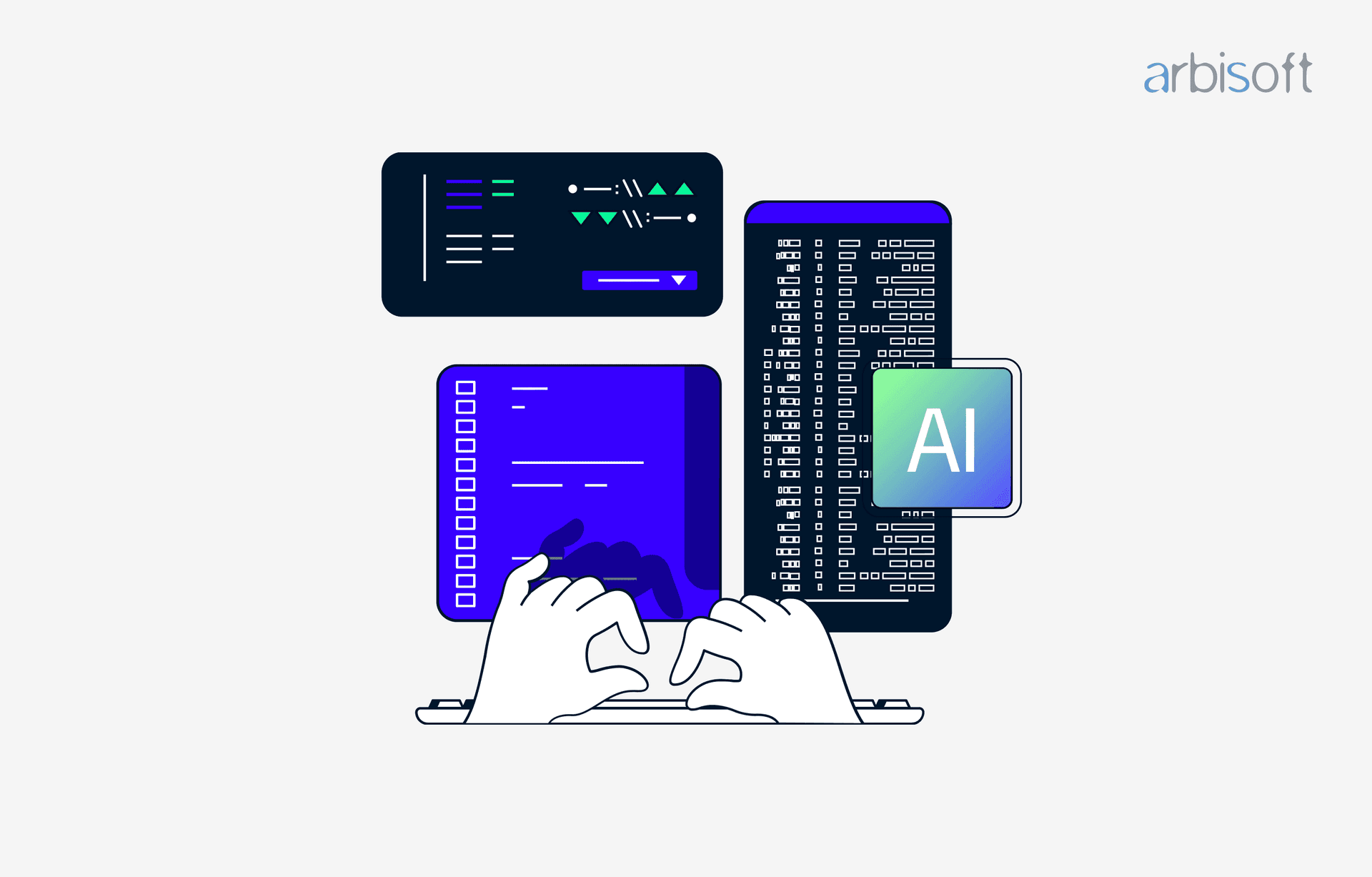
The Software Development Life Cycle (SDLC) is a structured process that guides software engineers through the creation and maintenance of software systems. It includes several stages: planning, analysis, design, implementation, testing, deployment, and maintenance. Each stage is crucial for delivering high-quality software that meets user requirements and functions efficiently.
In today’s article, we will explore the addition and impact of AI on SDLC as well as the future of this technology integration.
Artificial Intelligence (AI) is transforming numerous processes, and software development is no exception. By integrating AI into the SDLC, companies can enhance efficiency, reduce errors, and improve overall software quality.
Let’s look at how AI adds to each phase of the software development lifecycle.
In the project planning and analysis phase, the first stage of the software development lifecycle, the main tasks are to develop and define the right approach. It's like preparing for a long trip; you need to know your destination, what you need, and what challenges might come up. During this step, AI acts as a smart advisor, helping you make good plans and handle any obstacles.
Here’s how AI is used in the planning and analysis phase:
AI can predict potential problems and identify the resources needed for a project. It looks at past projects to make informed predictions about the current ones, helping to plan better by forecasting needs and possible issues.
Researching the market and understanding customer needs is essential before starting a project. Machine learning (ML) simplifies this process by automatically analyzing market data, competitor activities, and user feedback. It identifies trends and helps set accurate project goals.
In the planning and analysis phases, AI can analyze large amounts of data to identify trends and make predictions. For example, AI can help project managers estimate timelines and resources more accurately. AI tools can also analyze user feedback and market data to identify potential features and improvements.
AI algorithms can predict project timelines and resource requirements with higher accuracy by analyzing historical project data and considering various factors such as team size, project complexity, and past performance.
Furthermore, AI can process and analyze large volumes of user feedback, reviews, and market trends to help identify the most relevant features and requirements for the project.
AI tools and platforms improve project planning and analysis. For example, Trello, an AI-based tool, helps prioritize tasks and improve workflow. Google Cloud AI Platform provides custom ML models for predictive analytics, including forecasting resource use and identifying project timeline risks.
Using AI at the beginning of software development makes planning easier. Tools like Jira, IBM Watson, Trello, and Google Cloud AI are helpful throughout the software development lifecycle, starting with planning.
The use of AI has led to a 35% increase in project management success. Gartner predicts that AI will automate nearly 80% of project management activities, greatly improving the project management process. The power of AI in project planning and analysis is huge, potentially increasing project success by 25% and adding trillions of dollars to the economy.
During the design phase, AI-powered tools can generate design prototypes based on user requirements. These tools can suggest improvements and optimize design elements for better user experience and performance.
AI can analyze design patterns and suggest improvements to enhance user experience. For instance, AI can recommend optimal button placements, color schemes, and layouts based on user interaction data.
AI can quickly create prototypes from design specifications, allowing designers to focus on refining and iterating on the best concepts.
In the implementation phase, AI can assist developers by facilitating automated code generation and suggesting best practices. AI-powered code assistants can identify errors and suggest fixes in real time, speeding up the development process.
AI tools like OpenAI's Codex can generate code snippets based on natural language descriptions, reducing the time developers spend on routine coding tasks.
AI-powered tools can analyze code as it is written, highlighting potential errors and suggesting corrections. This reduces the number of bugs and accelerates the development process.
AI can assist in code reviews by implementing automated code reviews to automatically identify potential issues, ensure adherence to coding standards, and suggest improvements.
Follow our 10-step guide to ensure your AI development is fair, transparent, and respectful of everyone’s rights.
Follow our 10-step guide to guarantee that your AI development is fair, transparent, and respects everyone's rights.
AI's impact is most profound in the testing phase. Automated testing tools powered by AI can conduct extensive tests faster and more accurately than humans. AI can predict potential issues and identify areas that need more attention, ensuring high-quality software delivery.
AI can automatically generate test cases based on code changes and user requirements, ensuring comprehensive test coverage.
AI can predict which parts of the code are most likely to fail and prioritize testing efforts accordingly. This helps in identifying critical issues early in the development cycle.
AI can enable continuous testing by automatically running tests during the development process and providing real-time feedback to developers.
AI is crucial during the deployment and maintenance phases. It optimizes processes and provides post-deployment maintenance.
Integrating AI into the SDLC not only enhances productivity and accuracy but also enables a more proactive and data-driven approach to software development, ensuring higher quality and more reliable software products.
Arbisoft's software development services cover the entire Software Development Life Cycle from initial planning and design to thorough testing and deployment. Contact us at contact@arbisoft.com
While AI offers numerous benefits, integrating it into the SDLC comes with challenges, such as:
The future of SDLC with AI looks promising. As AI technologies continue to advance, many organizations choose to hire AI developers to effectively leverage sophisticated tools and techniques. Here are some future trends to watch:
In conclusion, AI is set to revolutionize the SDLC by making it more efficient, accurate, and responsive to user needs. While there are challenges to overcome, the benefits of integrating AI into the software development process are substantial. Embracing AI and data science services will help industries stay competitive and deliver high-quality software in an ever-evolving technological landscape.
...Loading Related Blogs
Trusted by top platforms for our transformative solutions and exceptional results: