

Whitepaper
The 2026 AI Transformation Playbook for Education Leaders
AI has moved from side project to core strategy. This playbook gives CIOs, CTOs, COOs, and founders a concrete plan for how AI improves outcomes, reduces cost-to-serve, and future-proofs platforms — across four pillars, with governance built in from the start.
 Add as preferred on Google
EXECUTIVE SUMMARY
Artificial intelligence has moved from side project to core strategy for leading education institutions and EdTech companies. In 2026, leaders can no longer treat AI as a collection of pilots; they need a concrete plan for how it will improve outcomes, reduce cost‑to‑serve, and future‑proof their platforms.
This report gives that plan for CIOs, CTOs, COOs, and founders or CEOs in education and EdTech. It shows how AI is reshaping four pillars: personalization and adaptive learning, content and assessment workflows, learner and staff support, and analytics and decision making, and links each to platform architecture, governance, and financial results.
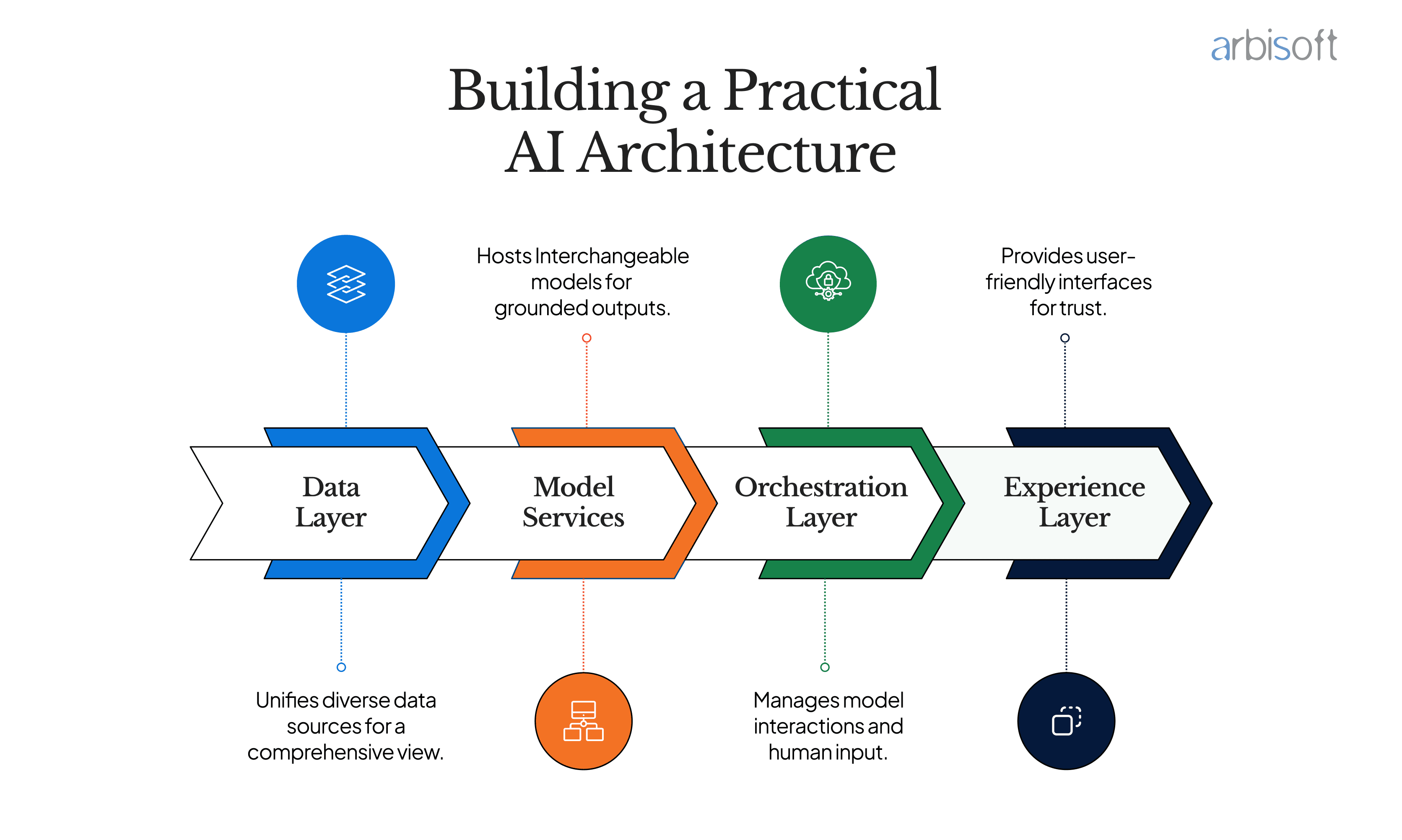
The central message is that AI can unlock three outcomes at once. It can deliver better learning results for diverse students through tailored paths, earlier risk identification, and richer feedback loops. It can lower cost‑to‑serve by automating routine work and consolidating overlapping tools into a simpler stack. And it can create smarter platforms by embedding AI in the core architecture and data layer so you can adapt as models, regulations, and user expectations change.
Risk and trust issues are rising at the same time. Leaders must protect sensitive learner data, manage bias and fairness in algorithms, and respond to new patterns of academic misuse of generative tools. That is why governance, assurance, and equity monitoring have to be built into AI initiatives from the start, not added as late‑stage checks.
Leverage two decades of experience
20 years. 550+ partnerships. Trusted to deliver. Let's talk about yours.
Talk to our team