0+
years of proven market experience
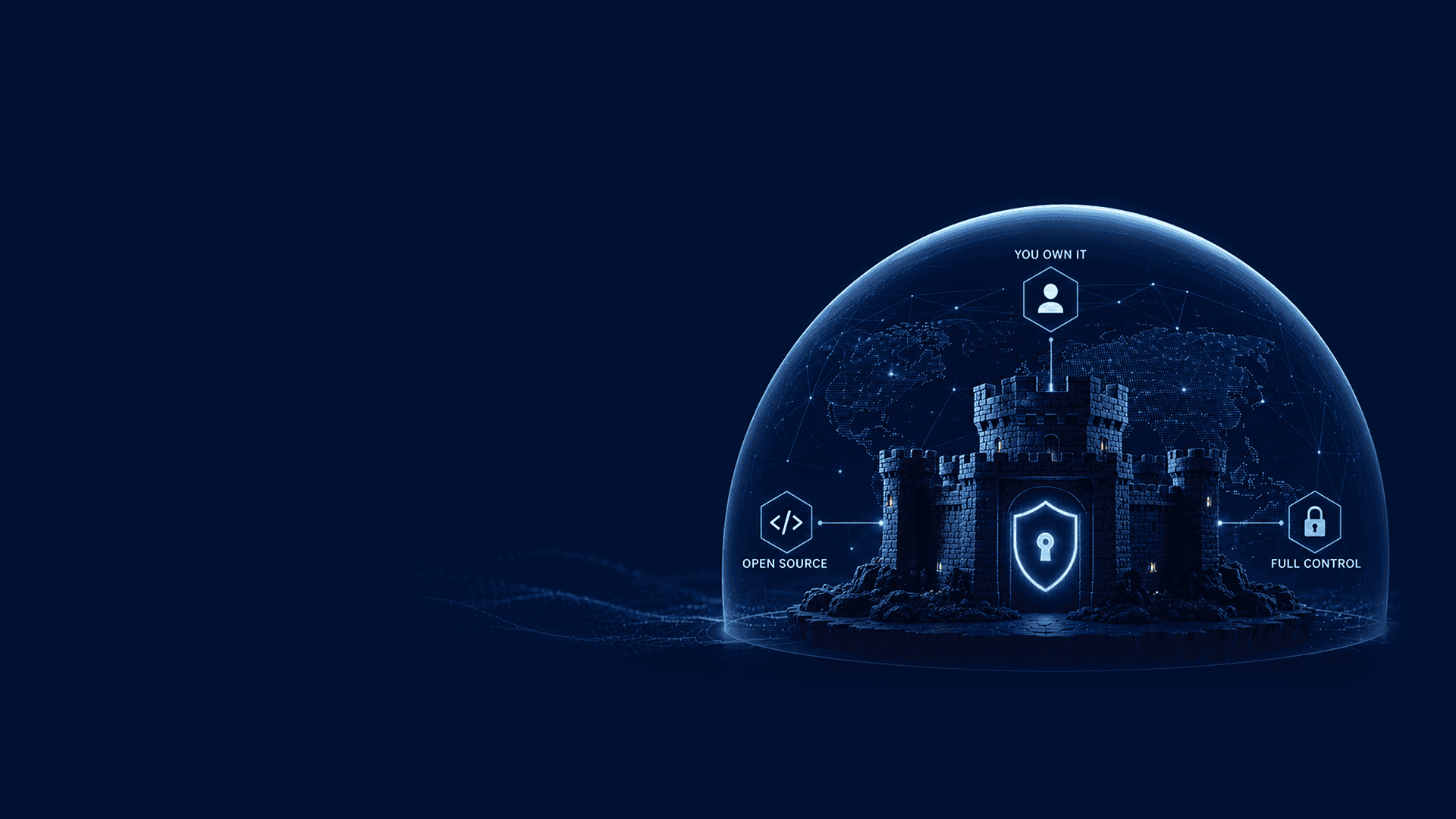
Backend, frontend, DevOps, AI/ML, and agent orchestration - every layer of what we build runs on open-source technology we know deeply enough to contribute back to, not just implement.
 Data Sovereignty
 Transparency
 No Lock-in
 Flexibility
 Community Driven
0+
years of proven market experience
0+
experts in Engineering, Data, AI, Design & QA
0+
collaborations across six verticals
0%
clients rate us better than others
Proprietary tooling and closed platforms tie your roadmap to someone else's pricing and release schedule; open-source foundations keep the roadmap yours.
Every dependency we introduce is one your own engineers can read, patch, and extend without waiting on a vendor ticket.
Open-source communities move faster than any single vendor's release cycle — security patches, framework improvements, and new capabilities reach production sooner.
Standardizing on open-source infrastructure also standardizes your hiring pool: the talent market for Python, React, Kubernetes, and Postgres runs deeper than any proprietary, single-vendor stack's ever will.
From Odoo to Databricks, our engineering teams work across the ecosystems that power modern software.















One integrated stack across design, infrastructure, and code — see how each layer fits together.
We select technology for long-term maintainability and community health, not for what's newest or what one engineer prefers.
Where we can contribute upstream, we do — Open edX is the clearest proof, at 10+ years and 3,000+ pull requests, but the same philosophy applies across the stack.
Open-source choices are made deliberately at the architecture stage, not by default; where a proprietary tool is genuinely the better fit, we say so rather than forcing a substitute that doesn't serve you.
Every layer of the stack is staffed by engineers with production experience in that specific technology, not generalists spread thin across all of them.
Proactive security, auditable infrastructure, and inspectable AI workloads engineered into every open-source deployment.
Every open-source dependency in a production system is tracked, versioned, and kept current against CVEs and security advisories.
Infrastructure-as-code means environment configuration is auditable and reproducible, not undocumented.
Observability and security monitoring are built into the stack from the start, not added after an incident.
AI/ML and agent workloads run on frameworks we can inspect end-to-end — no black-box dependency you can't audit if a regulator asks.
See this stack in production across the industries we serve — from data engineering behind agentic decision support to infrastructure-as-code behind regulated, high-uptime deployments.
View All
“Arbisoft has been a valued partner to edX since 2013. We work with their engineers day in and day out to advance the Open edX platform and support our learners across the world.”

"I have worked with the team at Arbisoft for nearly three years. Having brought them into my current organization, I have seen them take on every aspect of development with strong reviews from my development team. They have always been responsive to our needs and quickly address issues or concerns that I have brought up to them. It has been a pleasure working with Yasser and his team!"

“Arbisoft is an integral part of our team and we probably wouldn't be here today without them. Some of their team has worked with us for 5-8 years and we've built a trusted business relationship. We share successes together.”

“Arbisoft has been my most trusted technology partner for now over 15 years. Arbisoft has very unique methods of recruiting and training, and the results demonstrate that. They have great teams, great positive attitudes and great communication.”
Why Arbisoft
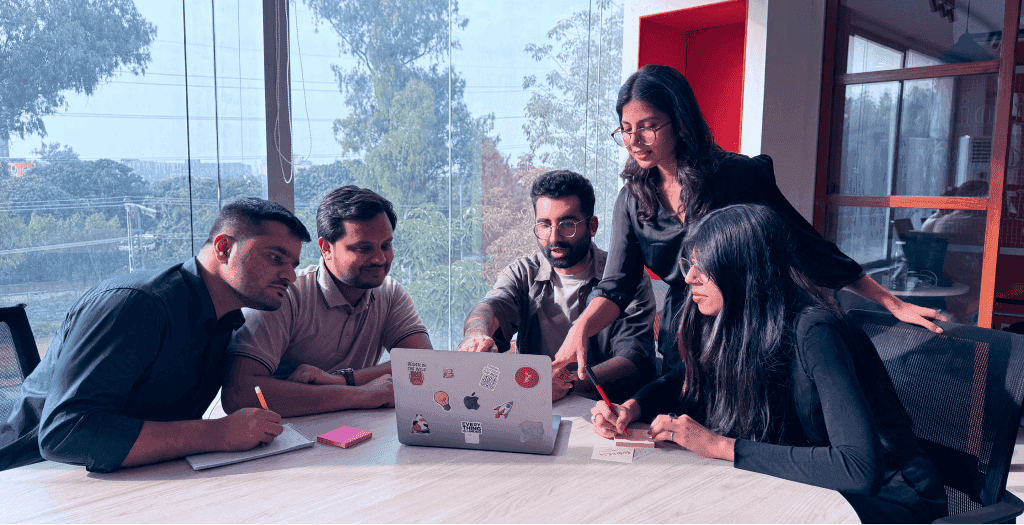
Where this stack shows up elsewhere across what we build and run.
01 / 05
Legacy systems rebuilt onto technology that scales with you, not against you.
Visit page
This page is our engineering stack — the languages, frameworks, infrastructure, and AI/ML tooling our teams build with, organized by discipline. Platform Expertise covers the named, complete systems we deploy and operate — LMS, ERP, CMS, data, and AI platforms — several of which are built on the same open-source foundations described here.
The technologies on this page already run production workloads at global scale, across every layer from data storage to AI inference. The risk was never the technology — it's whether the team operating it has the depth to patch, upgrade, and extend it responsibly.
We track community health as part of every technology choice, and because we contribute upstream ourselves — Open edX being the clearest example — we have direct visibility into roadmap direction most integrators don't.
Yes — through Managed Services, 24x7 monitoring, patching, and incident response apply the same way regardless of which layer of the stack it covers.
These are the technologies our teams have the deepest, most current production experience with. Where a project genuinely calls for something outside this list, we say so during the assessment phase rather than forcing a fit.
Trusted by top platforms for our transformative solutions and exceptional results: